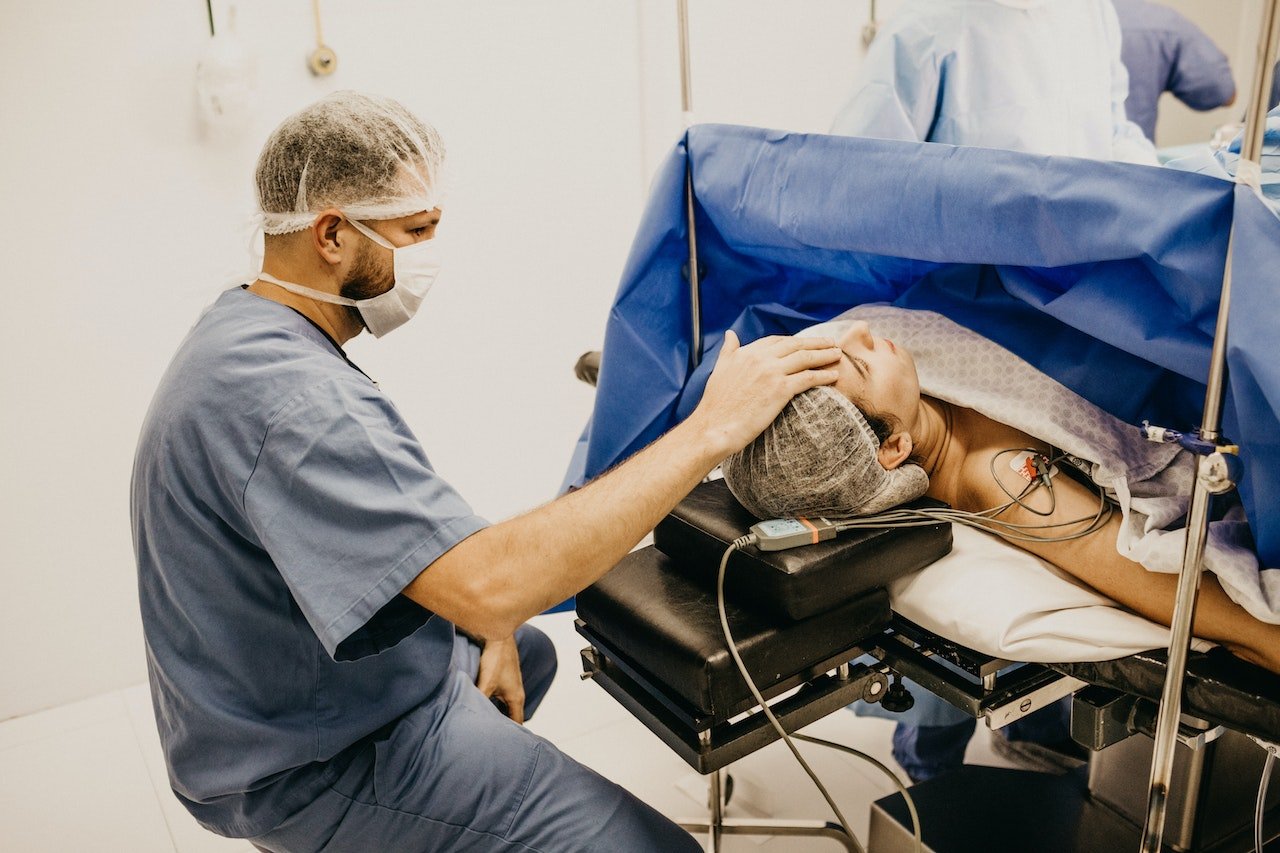
When patients think about surgery, they often focus on the surgeon who performs the operation. However, another specialist plays an equally vital role in ensuring safety and comfort—the anesthesiologist. From the moment a surgery is planned until the patient recovers, anesthesiologists are by their side, carefully managing pain, monitoring vital signs, and responding to any complications. Understanding what to expect from your anesthesiologist can ease anxiety and provide reassurance about the surgical journey.
Before Surgery: Preoperative Assessment and Planning
Your interaction with an anesthesiologist typically begins before the procedure. Their role is to evaluate your health and design a safe anesthesia plan tailored to your individual needs.
Medical History Review
The anesthesiologist will ask detailed questions about your:
-
Past medical conditions (heart disease, asthma, diabetes, etc.)
-
Allergies, especially drug reactions
-
Previous experiences with anesthesia
-
Family history of anesthesia complications
-
Current medications, including over-the-counter drugs and supplements
Physical Examination
They will perform a brief examination, checking your heart, lungs, airway, and overall condition. This helps them prepare for any challenges during anesthesia.
Patient Education
Anesthesiologists explain:
-
Which type of anesthesia will be used (local, regional, or general)
-
Possible risks and benefits
-
Instructions for fasting before surgery
-
What to expect when waking up afterward
This consultation is also your chance to ask questions and share concerns.
During Surgery: Care and Monitoring
Once you’re in the operating room, your anesthesiologist becomes your primary guardian. Their responsibilities include:
Inducing Anesthesia
Depending on the plan, anesthesia may be given through an IV line, inhaled gases, or injections near nerves. The goal is to ensure comfort, unconsciousness (if needed), and pain control.
Continuous Monitoring
Throughout surgery, the anesthesiologist monitors your:
-
Heart rate and rhythm
-
Blood pressure
-
Oxygen and carbon dioxide levels
-
Body temperature
-
Depth of anesthesia
Modern machines provide constant data, but it is the anesthesiologist’s skill that ensures safe adjustments.
Immediate Intervention
If complications arise—such as breathing problems, allergic reactions, or sudden changes in blood pressure—the anesthesiologist responds instantly with life-saving interventions.
After Surgery: Recovery and Pain Management
An anesthesiologist’s job does not end when surgery is finished. They remain involved in your recovery, ensuring you wake up safely and with minimal discomfort.
Post-Anesthesia Care
In the recovery room, anesthesiologists monitor:
-
Breathing and airway function
-
Blood pressure and heart rhythm
-
Consciousness levels
-
Pain and nausea management
They ensure patients regain awareness gradually and comfortably.
Pain Control
Using medications, nerve blocks, or other methods, anesthesiologists manage postoperative pain. Their goal is to balance pain relief with minimal side effects like drowsiness or nausea.
Long-Term Involvement
In some cases, anesthesiologists continue to assist with pain management for days after surgery, especially for patients recovering from major operations.
FAQs
1. Will I meet my anesthesiologist before surgery?
Yes, patients always meet their anesthesiologist beforehand for evaluation and planning.
2. Can I choose my type of anesthesia?
In many cases, yes. Options are discussed, and the anesthesiologist helps decide the safest choice.
3. Will I wake up during surgery?
It is extremely rare. Modern monitoring ensures you remain at the correct depth of anesthesia throughout the procedure.
4. What side effects should I expect after anesthesia?
Temporary drowsiness, nausea, or a sore throat are common, but they usually resolve quickly. Serious complications are rare.
5. Do anesthesiologists stay with patients the whole time?
Yes. An anesthesiologist or nurse anesthetist remains at your side from induction to recovery.
