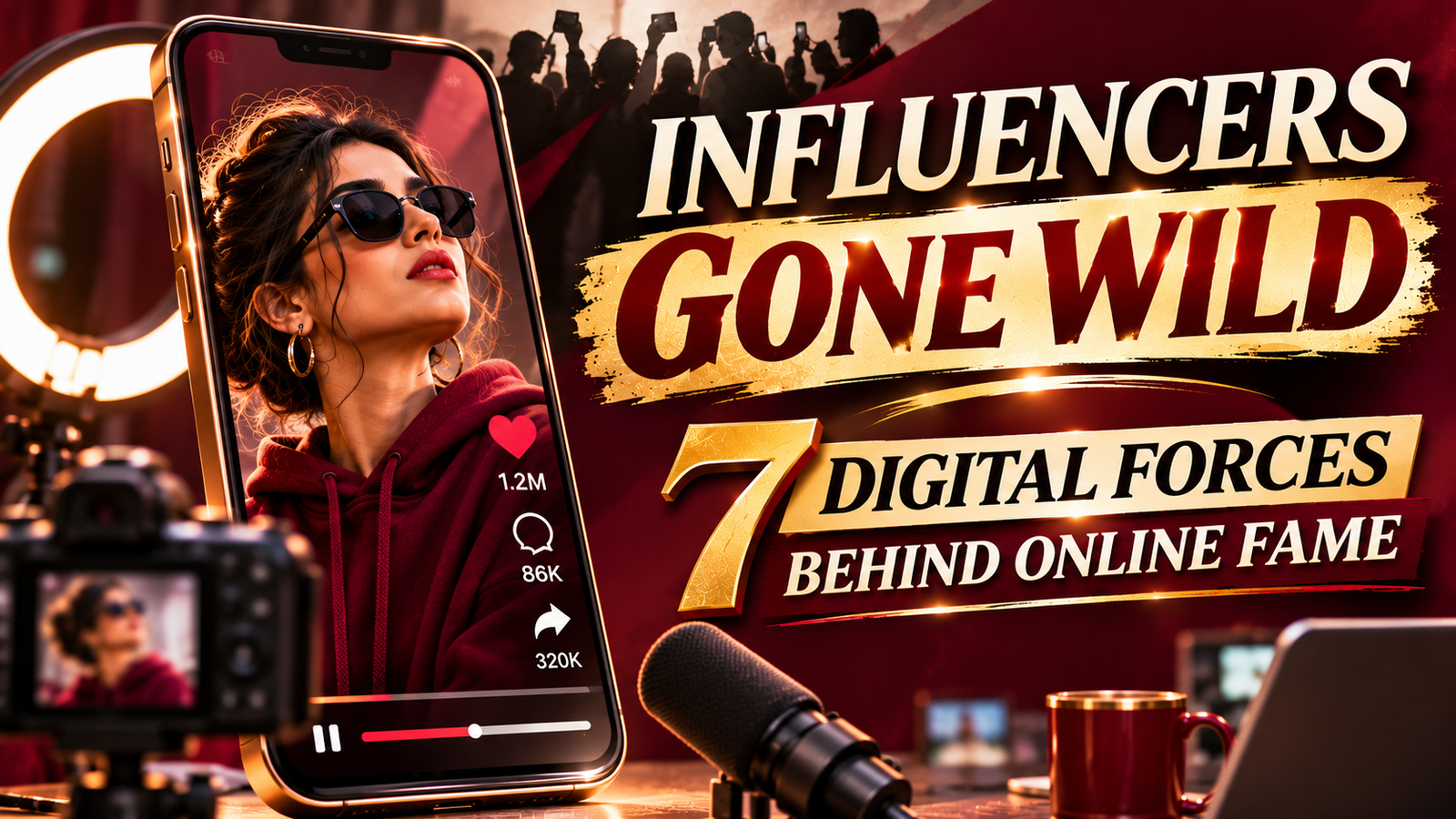
The internet has changed what it means to become famous. A person can build an audience from a bedroom, a kitchen, a classroom or a small studio, then find their ordinary routines discussed by millions. That access has created opportunities for creativity and business, but it has also made reputation unusually fragile. A single post can be copied, clipped, debated and judged far beyond its original audience.
The phrase influencers gone wild is often used as a quick label for surprising creator behaviour. Yet the label can hide a more interesting question: what conditions make online personalities take risks, and why do audiences respond so strongly? Looking beyond the headline reveals a system shaped by platform design, audience expectations, money, identity and the speed of digital communication.
This article explores seven forces behind modern creator culture. Rather than treating every viral incident as proof of a person’s character, it examines the incentives and decisions that shape what people publish, how viewers interpret it and what happens after attention arrives. Understanding influencers gone wild requires looking at the wider digital environment, not just the most dramatic clip.
1. The Attention Economy Rewards What Interrupts People
Social platforms compete for attention. A calm, carefully explained idea may be useful, but a dramatic reaction can stop a scrolling thumb in a fraction of a second. Strong emotion, conflict, surprise and novelty are easy to notice, which helps explain why extreme moments can travel quickly.
This does not mean every platform deliberately promotes harmful material, or that every popular creator behaves irresponsibly. It means creators operate in an environment where visible engagement can feel like evidence of success. When a post receives unusually high views, its format may be repeated. Over time, the pressure to make the next post more surprising can become difficult to ignore.
The label influencers gone wild can therefore describe more than an individual moment. It can point to a wider attention pattern in which ordinary content struggles to compete with spectacle. Creators who understand this pressure can make a deliberate choice: earn attention through originality and usefulness rather than escalating shock.
A healthier strategy is to define success with more than views. Saves, thoughtful comments, repeat viewers, meaningful enquiries and audience satisfaction can reveal whether content is building a durable community. Attention is valuable, but attention alone is not the same as trust. This distinction is important when discussing influencers gone wild because a high-performing post is not automatically a positive achievement.
2. The Audience Often Sees a Character, Not a Complete Person
Creators share selected parts of their lives. A cooking video may show a cheerful kitchen, while a travel account presents a sequence of beautiful destinations. Even when the content is sincere, it is still edited and selective. Viewers may begin to feel that they know the person behind the account, although they only see the version presented online.
That familiarity can create a complicated relationship. Supporters may defend a creator because they feel personally connected. Critics may feel disappointed when the creator behaves differently from the image they have formed. In discussions about influencers gone wild, this gap between a public character and a private person is often overlooked.
Creators can reduce confusion by setting boundaries. They do not need to share every relationship, family matter, financial detail or difficult experience to appear authentic. Clear boundaries are not dishonesty; they are a way to protect personal life while communicating honestly about the content that is shared.
Audiences also have a responsibility. Following someone does not create a right to private access. A viewer can appreciate a creator’s work without assuming that a familiar face is a close friend. Many arguments surrounding influencers gone wild become more intense when viewers forget that distinction.
3. Algorithms Can Turn a Small Moment Into a Large Public Event
A post usually begins with a limited audience. If people watch, share, comment or respond, it may reach more viewers. Those viewers may not know the creator, the original context or the history behind the post. As the clip moves between accounts, its meaning can change.
A short excerpt may remove the sentence before a joke, the explanation after a demonstration or the correction that appeared later. Captions can add an interpretation that was not present in the original. Reuploads may also remove dates, making old material appear current. These details matter when a discussion is framed as influencers gone wild.
Before accepting a viral claim, check the original upload, publication date and full surrounding conversation. Look for a longer version and compare reputable reports where available. If the evidence is incomplete, say so. A confident conclusion is not more accurate simply because it is repeated by many accounts.
Creators can help by keeping source material accessible, correcting mistakes visibly and avoiding misleading edits. Viewers can help by not sharing a clip until they understand what it shows. A pause of thirty seconds can prevent a misleading post from travelling much further. This simple habit can make online conversations about influencers gone wild more accurate and less harmful.
Read more: About Qushvolpix Product: 11 Essential Facts and Smart Buyer Tips
4. Money Changes the Meaning of a Recommendation
Creator content is also a business. Income may come from sponsorships, affiliate links, subscriptions, merchandise, events or a creator’s own products. Commercial partnerships are not automatically a problem. They can help creators fund their work and introduce audiences to useful services. The issue is whether viewers can understand when a financial relationship may influence a recommendation.
The phrase influencers gone wild sometimes appears beside a disputed promotion, but the more practical question is whether the promotion was honest and clearly disclosed. A creator should not imply that an ordinary paid advertisement is an independent personal recommendation. Nor should a creator claim to have tested a product if that did not happen.
The U.S. Federal Trade Commission explains that creators should disclose relevant relationships with brands in a way people can notice and understand. Its Disclosures 101 guide for social media influencers explains when disclosures may be needed and why they should be clear. The FTC’s endorsement guidance also discusses how advertising principles apply to social media.
Rules differ by country, so creators should check the requirements that apply to their audience and business. The UK’s Competition and Markets Authority offers guidance for social media endorsements, including gifted products, discounts and paid promotions.
Transparency protects more than legal compliance. It helps an audience decide how much weight to give a recommendation. If a creator is open about incentives, viewers can make informed choices without guessing what is happening behind the scenes. This is a practical lesson that should not be lost in conversations about influencers gone wild.
5. Public Criticism Can Become a Second Viral Event
When a creator makes a mistake, the response may become larger than the original post. Reaction videos, commentary threads, screenshots and jokes can keep the issue alive. Some criticism identifies a genuine problem and encourages accountability. Other responses rely on speculation, insults or personal information that has little connection to the original issue.
This is where influencers gone wild can become a label that follows someone long after the event. Search results and reposts may preserve the most dramatic interpretation, even after corrections appear. A creator’s response can then be judged by people who have seen only a headline or a short clip.
A fair discussion separates the action from assumptions about the person’s entire character. Ask what is confirmed, who was affected, whether the creator has acknowledged the issue and what practical change would address it. Criticism can be firm without becoming harassment.
Creators should avoid responding while angry. A rushed statement can introduce new errors or turn a manageable concern into a prolonged argument. A useful response identifies the specific issue, corrects inaccurate information, apologises where appropriate and explains what will change. It should not pressure the audience to forgive immediately.
Viewers should also consider whether their comments add useful information. Repeating an allegation without checking it can make a situation worse. The public discussion around influencers gone wild should focus on verifiable actions and proportionate responses rather than personal attacks.
6. Personal Boundaries Are Part of a Sustainable Career
The demand to be constantly visible can blur the line between work and private life. Audiences may expect daily updates, instant replies and access to personal milestones. Brands may request frequent posts. Platforms make publishing easy at almost any hour. Without boundaries, creators can feel that stepping away means losing relevance.
Some stories associated with influencers gone wild involve impulsive posts made during emotional moments. A simple delay can help: draft the response, leave it unpublished, review it later and ask whether it serves a clear purpose. Creators can also set posting hours, keep private accounts separate and decide in advance which topics are not for public discussion.
A sustainable creator career needs rest, trusted people and a plan for handling pressure. It also needs a realistic understanding that not every comment deserves a reply. Silence can be a responsible choice when a discussion is based on rumours or when a private matter should remain private.
Setting boundaries does not mean avoiding accountability. Creators can address public work-related concerns while keeping unrelated personal information private. This distinction is especially useful when influencers gone wild becomes a trending search phrase and strangers begin demanding explanations about every part of a creator’s life.
7. Trust Is Built Through Consistent Behaviour, Not a Perfect Image
No creator will make every decision correctly. Audiences do not need a performance of perfection; they need a reason to believe that a creator is honest, careful and willing to learn. Trust grows when words and actions match over time.
For creators, that means checking claims before publishing, correcting errors, disclosing commercial relationships and respecting other people’s privacy. For audiences, it means evaluating evidence, resisting pile-ons and allowing room for proportionate accountability. These habits offer a better response to influencers gone wild than treating every controversy as entertainment.
A creator who makes a mistake should not expect one apology to erase its impact. The next steps matter: correcting the record, making amends where possible and changing the process that led to the problem. Equally, audiences should not assume that every allegation is proven or that every mistake deserves an endless campaign of punishment.
Trust is not built by never facing criticism. It is built by responding honestly when criticism is justified and by correcting false claims when they are not. That is a more useful standard for understanding influencers gone wild than judging a creator solely by one trending moment.
A Practical Checklist for Viewers Before Sharing a Viral Post
Before reposting a controversial clip, use this short verification routine:
- Find the original account or source rather than relying only on reposts.
- Check the date and whether the material is being presented as new.
- Watch the full video or read the complete statement where possible.
- Separate confirmed facts from commentary, guesses and edited captions.
- Look for a correction, response or additional context.
- Avoid sharing private addresses, phone numbers or unrelated personal details.
- If the evidence remains uncertain, do not present the allegation as established fact.
This approach is especially useful when a post is being circulated under the phrase influencers gone wild. The wording may attract clicks, but it does not prove what happened. A headline is a starting point for investigation, not a substitute for it.
Readers can also ask a few simple questions: Who originally published this? Is the source identifiable? Does the clip show the complete event? Are other reliable sources reporting the same facts? If these questions cannot be answered, sharing the post may create more confusion than awareness.
How Creators Can Protect Their Reputation Without Hiding From Criticism
Reputation management should not mean deleting every uncomfortable comment or attacking every critic. It should mean building reliable habits before a crisis occurs. Keep records of sponsored agreements, verify claims, use clear labels for promotions and establish a process for correcting published information. If a serious allegation arises, seek qualified professional advice rather than relying on a rushed social media debate.
Creators can also make their content easier to understand. Add context when a clip could be misread, identify paid partnerships, distinguish personal opinion from professional advice and avoid presenting speculation as fact. These practices reduce the chance that a misunderstanding becomes a larger dispute.
The public conversation around influencers gone wild can be loud, but creators do not have to let the loudest reaction dictate every decision. A calm, evidence-based response is often more useful than a dramatic counterattack. Consistency, transparency and respect are stronger foundations for a public reputation than a temporary burst of attention.
Read more: What to Expect If Ether Futures Become a Reality In This Decade?
Frequently Asked Questions
What does “influencers gone wild” mean?
It is an informal phrase used for surprising, controversial or attention-grabbing behaviour by online creators. It is not a formal category and does not establish that a particular claim is true. The meaning depends on the context in which the phrase is used.
Why do controversial creator posts spread so quickly?
Strong emotions and surprising moments can encourage people to watch, comment and share. Short clips are also easy to repost, sometimes without the context needed to understand the original event. This helps explain why stories described as influencers gone wild can reach audiences who have never followed the creator.
Does every viral controversy mean the creator did something wrong?
No. A viral post may be incomplete, old, edited or misunderstood. Viewers should check the original material and reliable context before reaching a conclusion. Popularity does not prove an allegation.
Should influencers disclose free products and paid partnerships?
Creators should follow the advertising and consumer-protection rules that apply to their location and audience. Guidance from authorities such as the FTC and the UK’s Competition and Markets Authority explains why commercial relationships should be made clear. Transparent disclosure helps viewers assess recommendations fairly.
How can audiences respond responsibly to creator controversies?
Check sources, avoid spreading unverified claims, criticise specific actions rather than targeting someone’s private life, and do not participate in harassment or the sharing of personal information. These steps make discussions about influencers gone wild more constructive.
Conclusion
Online fame is shaped by more than personality. Platform incentives, audience expectations, commercial relationships, editing choices and public reactions all influence how creator stories unfold. The most useful way to understand influencers gone wild is to look beyond the catchy label and examine the evidence, incentives and consequences behind a viral moment.
Creators can protect long-term trust through transparency, boundaries and consistent accountability. Audiences can improve the online environment by checking context before sharing and by keeping criticism proportionate. Viral attention may arrive in seconds, but a credible reputation is built through repeated decisions over time.
